


When the stage lights go out, and the gaming mice are stuffed in drawers, what’s left?
For retired esports professionals, that question is becoming harder to avoid. There used to be an old fantasy that a few strong seasons and a recognizable handle would lead to a straightforward second act in the scene. But this is looking less reliable. Maybe not even possible.
Salaries have cooled. Team budgets have tightened. Jobs adjacent to competition, from coaching to broadcast to content, still exist, but they are fewer, more competitive, and often just as unstable as the careers players are leaving behind. The esports industry is not stable, especially if you’re not at the top of your game.
- The Ruler scandal explained: South Korea’s explosive reaction to what seems like, well, not a big deal
- Esports fans are so toxic that Faker and Gumayusi are taking legal action
We often hear about esports pros turning to streaming, showing off their supercars, and getting into relationship drama. Or the esports pros who become coaches and analysts, remaining veterans in the spotlight.
But this makes the quieter stories more interesting: the former pro and analyst in medical sales, the ex-card gamer in futures trading, the longtime LCS veteran now selling luxury homes in Beverly Hills. It sounds a lot more jarring, leaving that esports space where they were niche celebrities to do something we’d consider “normal.”
That creates a strange challenge: translating a life built inside esports into a world that often does not understand it.
“Trust the Grind”: Crumbz Goes From Analyst to Corporate Sales
Alberto “Crumbz” Rengifo knows that translation problem quite well. After a decade in League of Legends as both a player and a broadcast analyst, he stepped into an industry with very little overlap.
“I’m in corporate sales, selling First Aid supplies and medical equipment,” he said to Esports Insider. The move came quickly. “Moving back to Canada from the US, it was an amazing opportunity on short notice from doing solar sales.”
That sounds like the most dramatic pivot you can make. But Crumbz found that the underlying skills are actually quite familiar.
“Trusting the process and grind is absolutely essential in sales,” Crumbz said. “Also, your ability to collaborate with your team in various departments is paramount to success.”
The wording could describe an esports team reviewing scrims after a loss, except now the stakes are quotas, clients, and cross-functional coordination, rather than draft prep and stage games.
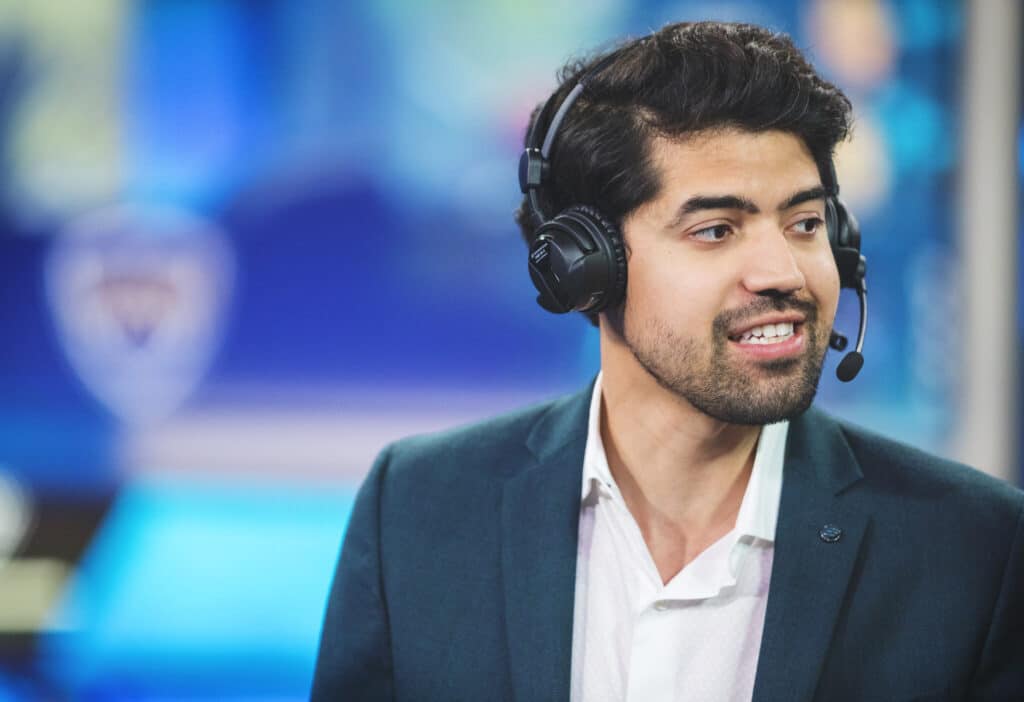
This points to what we in the esports scene have known all along, but outsiders may not realize: the benefits of a competitive gaming career are real. It takes discipline to practice the same game for 10 hours a day for years. Then there is performing under pressure, with an audience cheering (or booing) behind you. The pattern recognition, strategy, teamwork… Those are clearly not just skills for a League of Legends match.
“You must absolutely learn how to frame esports experience into a relevant positive experience,” Crumbz said. “Not many people in the ‘real world’ know or even care about esports. It’s your job to teach them why it matters.”
“I Was Genuinely Lost”: Smoothie Rediscovers Himself in Real Estate
That is one of the hardest parts. While the retired pro can feel the connections between competing on-stage and corporate work, you’re now surrounded by people who have no clue what esports even is. Once a prominent figure in a flashy, growing scene, you’re just some guy at an office.
Andy “Smoothie” Ta spent 11 years competing at the top of North American League of Legends, appearing at two World Championships and reaching domestic finals with elite organizations (and TSM). In 2024, he retired and got his real estate license.
The first months after that transition were disorienting.
“For the first few months after I retired, I was genuinely lost,” Smoothie admitted to Esports Insider. “I had spent over a decade building an identity around being Smoothie. My schedule, my self-worth, my social circle, all of it was wrapped up in that name.”
That is a familiar problem in traditional sports, too, but esports can intensify it.
Pro players often enter young, live inside tightly managed routines, and spend formative years being known primarily by a gamertag. When that structure disappears, so does a ready-made identity.
Despite this, Smoothie said he deliberately avoided the most obvious next steps.
“I turned down the obvious paths, coaching, streaming, content, because none of them felt like a bet on myself,” he said. “They felt like staying in the same room with the lights off.”
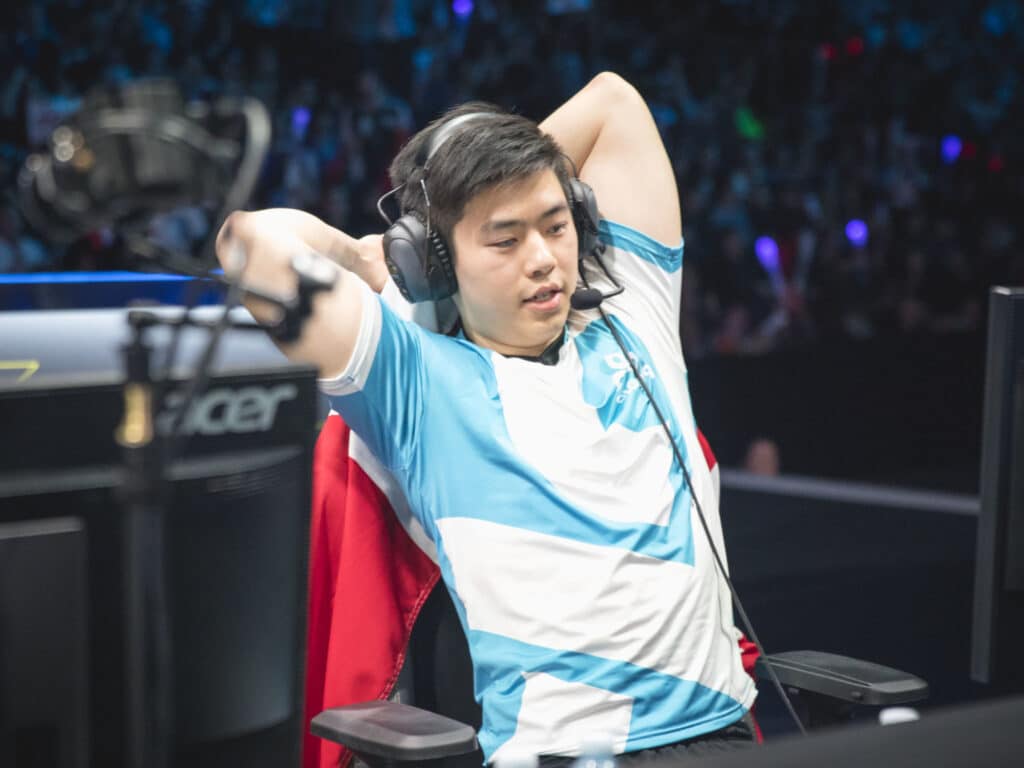
Instead, he chose a field that frightened him.
“I moved into luxury real estate in Beverly Hills because it scared me,” he said. “I knew almost nothing, I had to start over completely, and the learning curve was brutal.”
The results came quickly: major sales volume, a rookie award, and proof that competitive habits can survive outside the server.
“Smoothie built the work ethic,” he said. “Andy is using it.”
He clearly saw how his time as a League of Legends pro impacted his real estate career. It was a wildly natural transition despite the two being night and day on paper. But being an esports competitor isn’t only about having fast hands. The skills you gain aren’t just game-specific. In fact, they can apparently help you sell houses.
“The most important skills that I took with me during my transition to real estate was pattern recognition, teamwork, and communication,” he said. “One of my coaches told me early in my career to aim to improve just 1% every day. I have never stopped applying that.”
There is also an irony in how the old career can become newly valuable once it’s seemingly all over. Smoothie said clients are often fascinated by the life he came from. What do you mean, there are people training to play a video game? What do you mean, there are fans cheering and hundreds of thousands watching from home all over the world? It’s an entirely different world that some people had no idea was even happening. You were flying all over the world with a team, competing for six figures on an international stage? And now you’re here, selling me a house??
In esports, that kind of resume can feel ordinary among others in the industry. But esports is still a niche. It’s a bubble. Outside, it’s a differentiator. It can either help you blend in with the corporate world, or it can become a story people remember.
The post “Smoothie built the work ethic. Andy is using it”: What it takes to build a career after esports appeared first on Esports Insider.