
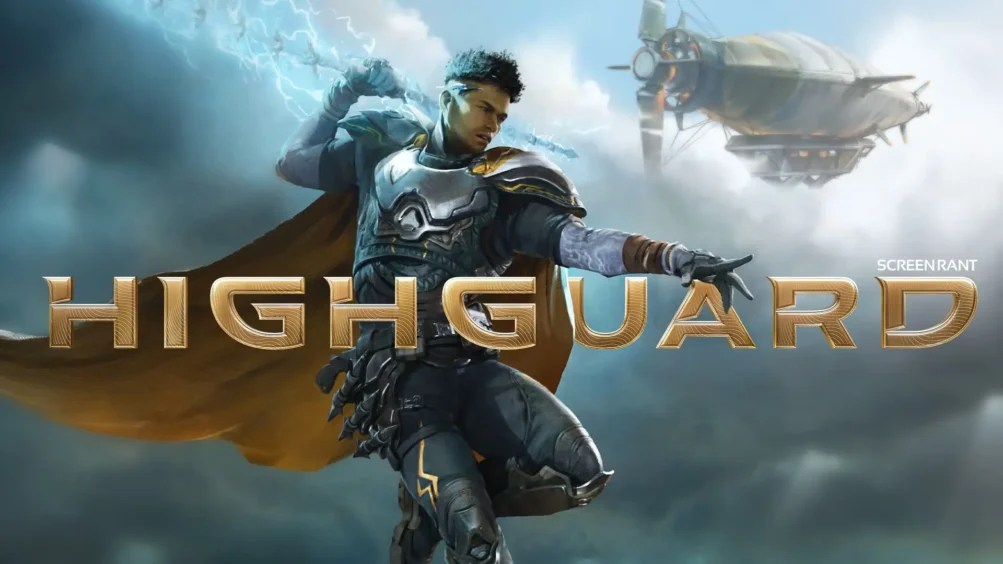
When Wildlight Entertainment first talked about Highguard, people genuinely perked up. It wasn’t just another shooter — at least, that’s how it was pitched. Wardens with strange powers, horses thundering through battles, raid‑style objectives in big fantasy maps… it all sounded like someone finally trying something different. The trailers helped too; they looked expensive, dramatic, confident. For a moment, it felt like Wildlight had something real on their hands.
And then, barely seven weeks later, the whole thing was gone. Shut down. No slow fade, just a hard stop. It caught almost everyone off guard.
Highguard Trailer
The Hype Machine
The reveal at The Game Awards 2025 did exactly what it was supposed to do: it made noise. A lot of it. The marketing leaned into the “tactical but magical” angle, and early footage showed off a world that looked like it had real personality. People were curious. Some were genuinely excited.
Launch numbers backed that up. Steam hit close to 100,000 players at once, and console servers were getting hammered. On paper, it looked like the kind of start most studios dream about — big audience, big visibility, and no price tag to scare people off.
Gameplay Flaws and Balancing Woes
But once the initial rush wore off, the problems started showing. Some abilities were so strong they practically dictated the meta, while others felt like filler. The maps, as pretty as they were, didn’t offer much variety in how matches played out. After a few sessions, people were already saying things felt repetitive.
The raid‑style modes needed teamwork, but matchmaking rarely gave you a group that could pull it off. And the mounted combat — one of the big selling points — didn’t always blend well with the gunplay. It sometimes felt like two different games stitched together. Even cosmetics, which usually keep free‑to‑play players grinding, took too long to unlock.
Market Timing and Fierce Competition
And then there’s the elephant in the room: Highguard launched into a market that’s already overflowing. Apex, Fortnite, Warzone — these games are polished machines with years of iteration behind them. If you stumble even a little, players don’t wait around. They just go back to what already works.
Highguard didn’t get much breathing room.
Community Backlash and Mixed Reception
The community reaction was split almost immediately. Steam reviews settled into “mixed,” which is basically the kiss of death for a new free‑to‑play title. Some players genuinely liked the art direction and the Wardens. Others were frustrated with matchmaking, server issues, and the lack of depth once you hit the endgame.
In a free‑to‑play ecosystem, if people aren’t sticking around, the whole thing collapses fast.
Internal Struggles and Developer Decisions
Behind the scenes, things weren’t any smoother. Reports of layoffs started circulating not long after launch. Suddenly the team responsible for keeping the game alive was much smaller than it needed to be. Live‑service games are hungry — they need constant updates, balance tweaks, communication, new content. A reduced team simply couldn’t keep up, and players could feel the slowdown.
Once people sense a game’s future is shaky, they stop investing time in it.
Lessons from Highguard’s Collapse
If there’s anything to take away from Highguard’s short life, it’s this:
- Hype doesn’t matter if players don’t stay.
- Competitive games need tight balance and polish from day one.
- Once trust slips, it’s almost impossible to claw back.
- Live‑service titles need stable staffing — there’s no shortcut.
The Legacy of Highguard
In the end, Highguard is one of those projects that had a spark but couldn’t survive the reality of the market it entered. The ideas were interesting. The world had style. But ambition alone isn’t enough when the genre moves this fast. Without steady updates, careful balance, and a team big enough to support it, even the most promising games can disappear in a matter of weeks.
For players, it’s a reminder of how quickly things can change. For developers, it’s a warning about planning, pacing, and the long tail of live‑service support. Highguard didn’t last, but the conversations around it probably will.
If you enjoy games and gaming and want more NEWS from the Gaming World Click Here