

When I first started building in Minecraft, I spent way too much time staring at cobblestone walls. It is a classic look, but my builds did not really pop until I discovered the World of Color update. Concrete changed everything for me. It is the smoothest, most vibrant block you can get, and unlike wool, it will not burn down if a lightning strike hits your roof.
I have spent years perfecting industrial-scale concrete factories, and I have realized that most players are doing it the slow way. If you want to rank among the top builders, you need to understand the weird math and hidden mechanics behind this block.
Gathering the core ingredients for your concrete powder
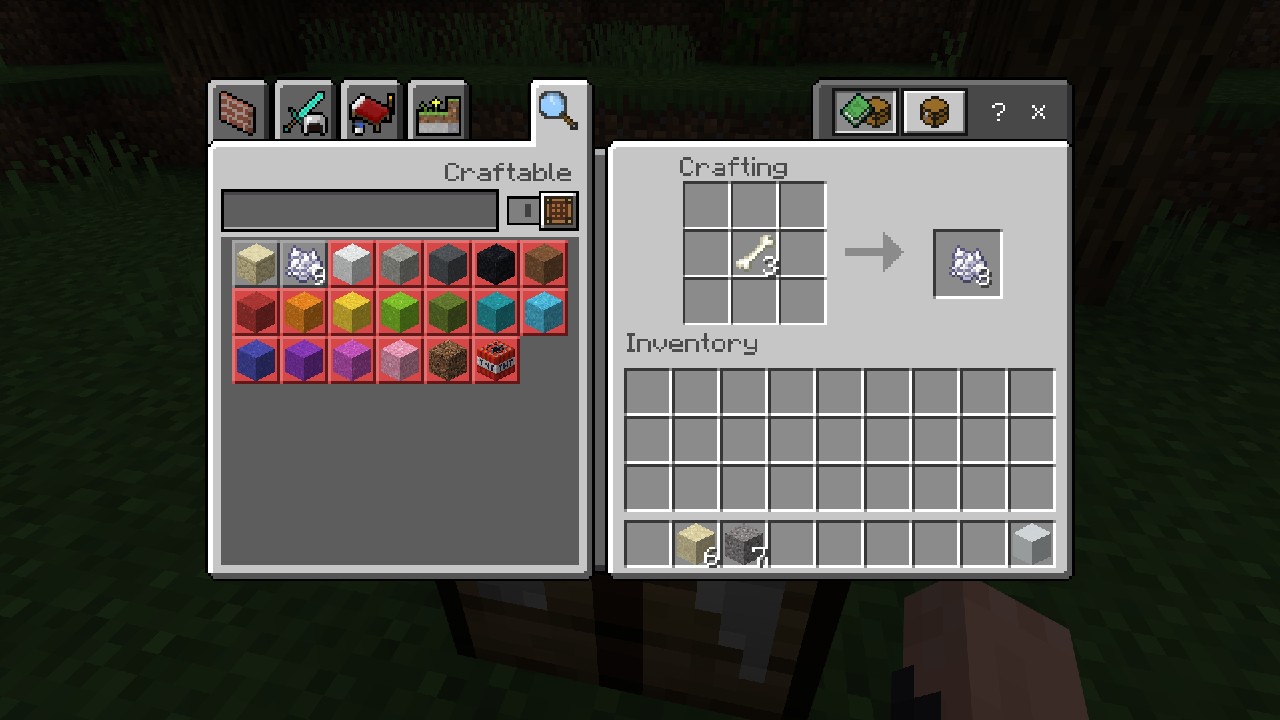
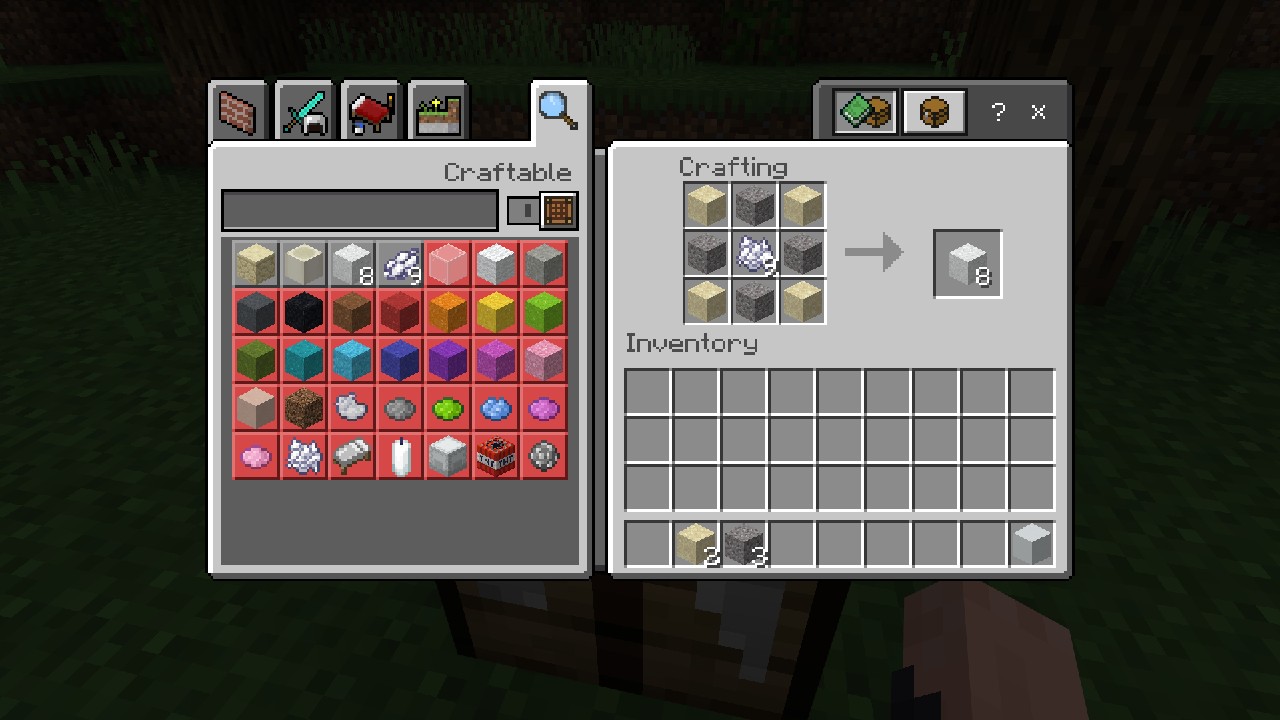
To get started, you need to craft concrete powder first. This is a gravity-affected block, meaning it falls just like sand or gravel. I usually gather my materials in bulk because the recipe is generous. It gives you eight blocks of powder for every single dye you use.
Here is what you will need for one batch:
- Four blocks of sand. You can find this easily in deserts or on beaches.
- Four blocks of gravel. I usually find mine in caves, mountains, or even on the ocean floor.
- One dye of any color. You can get these from flowers, mob drops, or trading with villagers.
One thing I learned the hard way is that red sand does not work for this recipe. You have to use the standard yellow sand. It is a bit of a strange limitation in the game engine, but it means you cannot just set up shop in a badlands biome and expect to start a concrete empire.
The secret math of mining and efficiency
A lot of people think concrete is just as easy to break as stone, but the numbers tell a different story. Concrete has a hardness value of 1.8, while standard stone is only 1.5. This leads to what I call the hardness paradox.
In my experience, even if you have a Netherite pickaxe with Efficiency V and a Haste II beacon, you cannot instantly mine concrete. To instantly mine a block, you need to break it in exactly one game tick, which is 0.05 seconds. While you can do that with stone, concrete takes about 0.15 seconds per block with a maxed-out setup. That is three times slower than stone.
If you are planning a massive skyscraper, I suggest keeping this in mind for your timeline. You can check out an ore distribution guide to find the best levels for mining the diamonds you will need for those high-end pickaxes.
How to turn powder into solid blocks using spatial updates
Turning your powder into solid concrete requires water, but it is not as simple as just getting it wet. I have tested this thoroughly, and things like rain, splash water bottles, or even a full cauldron will do absolutely nothing. You need a water source block, flowing water, or a waterlogged block to trigger the change.
There is some hyper-specific spatial data that pro builders use to speed up their automation. When you place a block of powder, the game engine runs a Post Placement update. It checks the surrounding blocks in a very specific order to see if it should turn into concrete. The order is:
- West
- East
- North
- South
- Down
- Up
If you are building an automatic converter, I found that placing your water source to the west of your placement point can actually optimize the update response on technical servers. It is a tiny detail, but for a high-speed factory, every millisecond counts.
Managing the concrete economy and resource bottlenecks
The biggest hurdle for me has always been the sand. While gravel is easy to find or even get through bartering with piglins, sand is actually a bit of a bottleneck. In survival mode, the only renewable way to get sand is through the Wandering Trader, who sells it at a premium. This makes large-scale urban development a logistical challenge.
I recommend setting up a trading hall to manage your other resources. For example:
- The Shepherd villager is your best friend for dyes. They can buy your extra wool and sell you the pigments you need for colorful builds.
- The Fletcher villager can actually trade you flint for gravel and emeralds, which is a great way to clear out extra gravel while you are mining.
- The Mason villager is excellent if you want to swap your stone for emeralds to buy more materials.
If you want to master the market, my pro tip is to attract villagers in your world so you can set up a trading hub exactly where you need it.
Automating your production with the latest updates
Since the Tricky Trials update, I have completely changed how I produce concrete. The new Crafter block is a game-changer for industrial builds. Because the concrete powder recipe is shapeless, you can feed sand, gravel, and dye into a Crafter using hoppers.
The trick is to use redstone comparators to monitor the Crafter. You can set it to pulse only when it has the 4:4:1 ratio ready. When you combine this with a TNT blaster, you can create a fully automated factory. In version 1.21, TNT now has a 100 percent block drop rate, meaning your concrete will be blasted and collected with zero loss. I have seen designs that can churn out 54,000 blocks per hour, which is more than enough for a metropolitan-scale project.
Lore and the Jonni Palette legacy
Most players do not know that the colors we use today were part of a major redesign known as the Jonni Palette 0.2. This was an internal standard Mojang used to make sure colors like white concrete were actually vibrant and pure compared to the muted tones of terracotta.
The developers specifically intended for concrete to be the premier material for what they called the brutalist aesthetic. It provides a clean, flat surface that is perfect for modern architecture. I personally love using it as a canvas for banners because it does not have the distracting textures you find on wood or stone.