

A 79-year-old woman in Muttontown contacted Nassau County police after recognizing a scam in a caller’s demand for her daughter’s bail money, according to News 12, citing the department.
The caller claimed to be a police officer and said the woman’s daughter had been arrested. He wanted cash for bail. After the woman reported the call, Nassau County detectives arranged a cash pickup as part of their investigation.
Richard Francisco Perozo Rodriguez, 28, of Wyandanch, was arrested September 18 at approximately 9:05 a.m. while attempting to collect the payment, Daily Voice reported, also citing Nassau County police.
Rodriguez was charged with attempted third-degree grand larceny. News 12’s September 19 report said he was arraigned that day at First District Court in Hempstead.
Where Bail Is Paid
A judge determines the amount of bail in a criminal case. The New York State court system directs anyone posting bail to check with the court clerk about where payment should be made and which forms of payment are accepted.
When a defendant is being held in jail, bail is usually posted there. Someone accompanying a defendant in court may be able to pay at the courthouse. The court system notes that many courts require cash and advises people to keep the receipt.
Outside New York City, a person seeking the return of cash bail generally brings that receipt and photo identification to court after the case. The receipt must identify the person who paid. The court clerk can explain the payment and refund procedures for the particular case.
Checking the Call Before Paying
The FTC recommends calling the relative through a telephone number already known to be genuine before sending money. If that person cannot be reached, contact another family member or trusted friend who can help check the story. The agency advises doing this even when the caller insists that the supposed emergency must remain secret.
Emergency scammers may pose as police officers, lawyers or doctors. They can also have names, addresses and family information obtained online. The FTC warns that these callers use urgency and secrecy to discourage people from checking the demand with someone else.
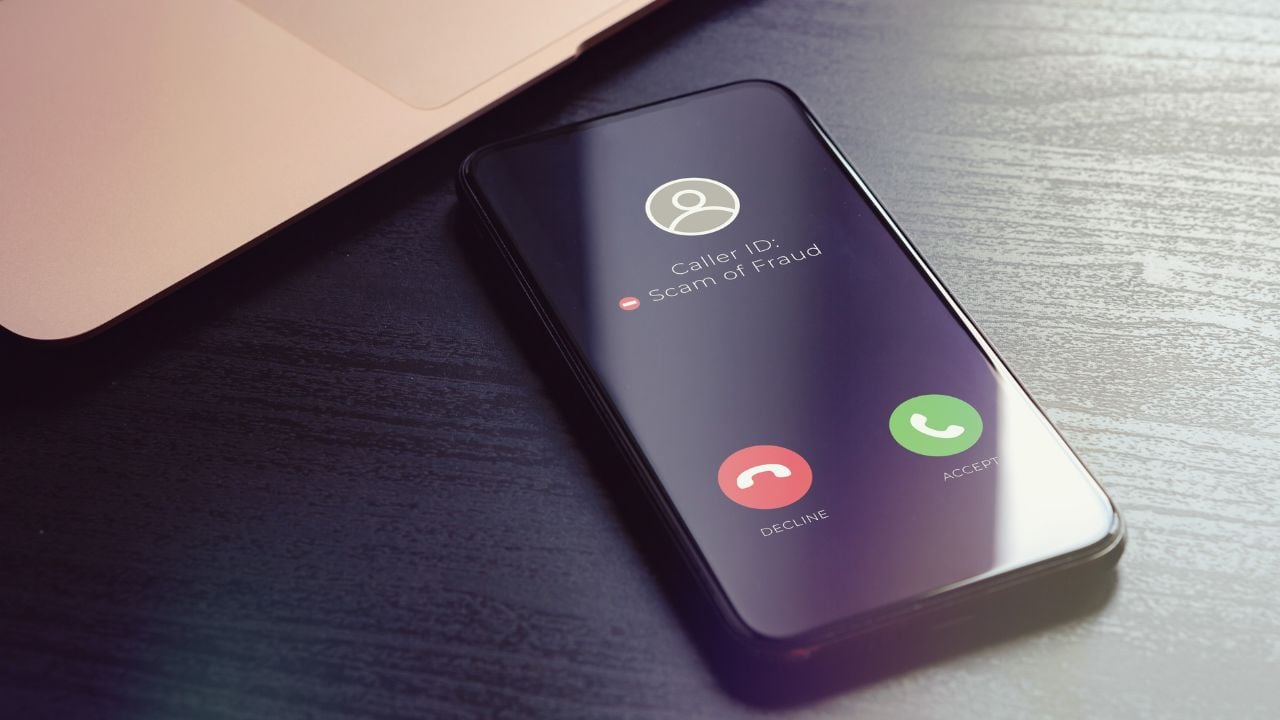
A familiar number on caller ID is not reliable identification. In its warning about police impersonators, the FTC says scammers can display a real department’s number and use an actual officer’s name. The agency advises hanging up and contacting the department through a website or telephone number known to be genuine, rather than calling back the number displayed.
For questions about a case at Nassau County District Court, the court’s official directory lists its main information line as 516-493-4200. The directory also provides separate contacts for arraignments and the criminal court office.
Daily Voice reported that Nassau County detectives asked anyone who believes they may have been targeted by Rodriguez to contact Nassau County Crime Stoppers at 1-800-244-TIPS.
All parties are presumed innocent unless and until proven guilty in a court of law.