

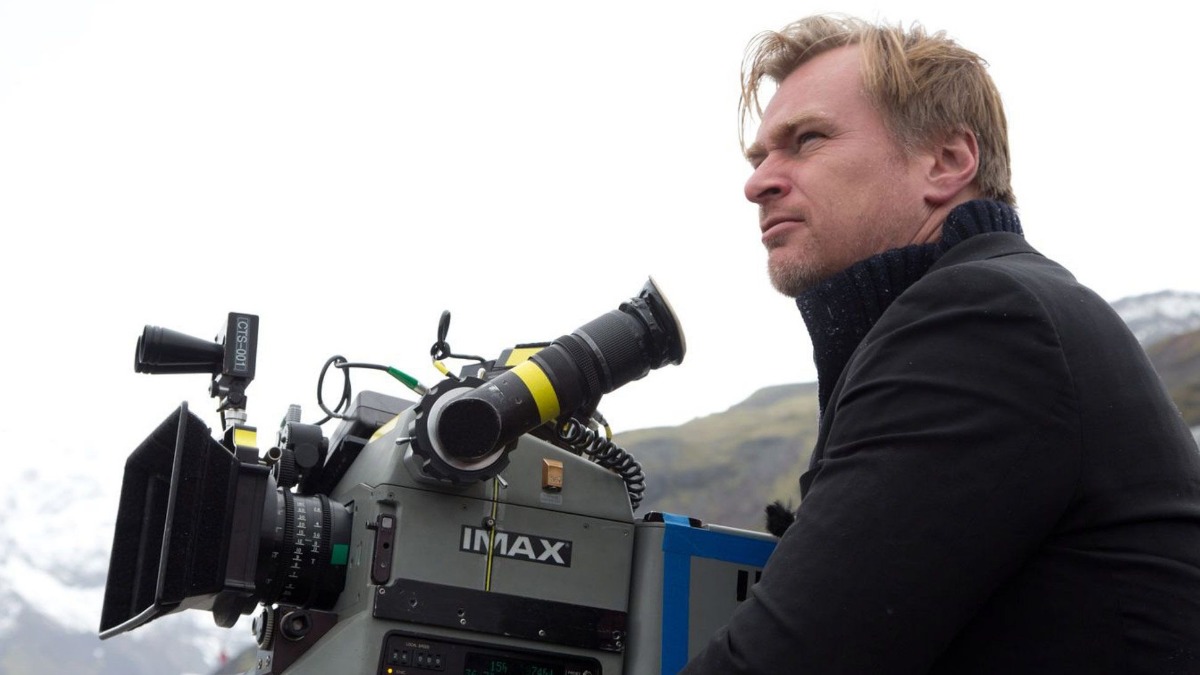
Image by HellaCinema, CC BY-SA 4.0. Via Wikimedia Commons.

|
Christopher Nolan is looking toward the future of cinema with a sense of optimism, specifically regarding how the next generation of creators is handling artificial intelligence. As he prepares to bring his latest IMAX project The Odyssey to audiences, the two-time Oscar winner shared his perspective on why generative AI is struggling to find a foothold with younger filmmakers.
Nolan recently shared his thoughts on the current state of the industry, noting that he has observed a significant shift in how younger people perceive new tools. He told The Telegraph, “I’ve never seen a more rapid wholesale dismissal of a supposedly foundational jump in technology in my lifetime.” He believes that while a massive amount of energy has been directed toward integrating these tools into production, the actual reaction from the younger generation has been a clear rejection of the technology.
Nolan noted that his own children have developed a sharp eye for what he refers to as AI slop. He explained, “Their judgment of AI slop has been immediate and harsh. They see it for what it is very quickly – and it’s much easier for them to identify it, because it grew out of an online world they know really well.” Because these creators have grown up navigating complex digital spaces, they seem to have a natural filter for content that lacks a human touch.
This shift in perspective is arriving at a critical moment for Hollywood
For years, the industry has pushed toward heavily virtual environments, but Nolan sees a clear pivot happening now. He mentioned that there is a renewed interest in more tactile, more real forms of storytelling. This is a sentiment that resonates with many of us who appreciate the craft behind a great film.
Nolan specifically highlighted young filmmakers who are currently making waves by prioritizing practical methods. He pointed to Obsession director Curry Barker and Backrooms creator Kane Parsons as prime examples of this movement. He observed that young people can’t get enough of their work, which proves that the hunger for authentic, grounded storytelling is stronger than ever.
It is encouraging to hear a director of his stature champion these new voices, noting that cinema is vital and essential and continues to transform itself. He added, “we’ve got all these great new young voices in movies, making the medium their own and moving it forward.”
While Nolan acknowledges that not every aspect of the technology is useless or meaningless, he believes that generative AI is hitting at exactly the wrong time for the film industry. The conversation surrounding AI continues to be a major topic in Hollywood, especially as policy frameworks evolve.
The SAG-AFTRA union has endorsed the AI policy framework put forward by the Trump administration. This framework encourages Congress to pursue legislation covering intellectual property rights, parental controls, and workforce development. It also seeks to remove legal barriers that might limit innovation while maintaining First Amendment protections.
Earlier, on October 24, President Trump signed an executive order establishing a voluntary framework. This order requests that AI companies provide the government with access to new models for a 30-day review period before they are released to the public. It is clear that as the industry moves forward, the balance between technological innovation and the human element of filmmaking remains a central point of debate for everyone involved in the craft.
Published: Jul 12, 2026 07:15 pm