

There’s a paradox brewing in the world of storytelling and fandom that feels almost too ironic to be true: a role beloved for its emotional complexity is now putting its new portrayer in emotional peril.
British actor Paapa Essiedu, recently tapped to play Severus Snape in HBO’s sprawling adaptation of Harry Potter, has revealed he’s received death threats and sustained racist abuse since the casting was first announced, vitriol intense enough to affect him personally and professionally.
But let’s unpack this beyond the headlines, into who Essiedu is, why this moment matters, and how the collision between fandom culture and social progress has paradoxically morphed one of fantasy’s richest characters into a target of real‑world hate.
Who Is Paapa Essiedu… Beyond the Headlines
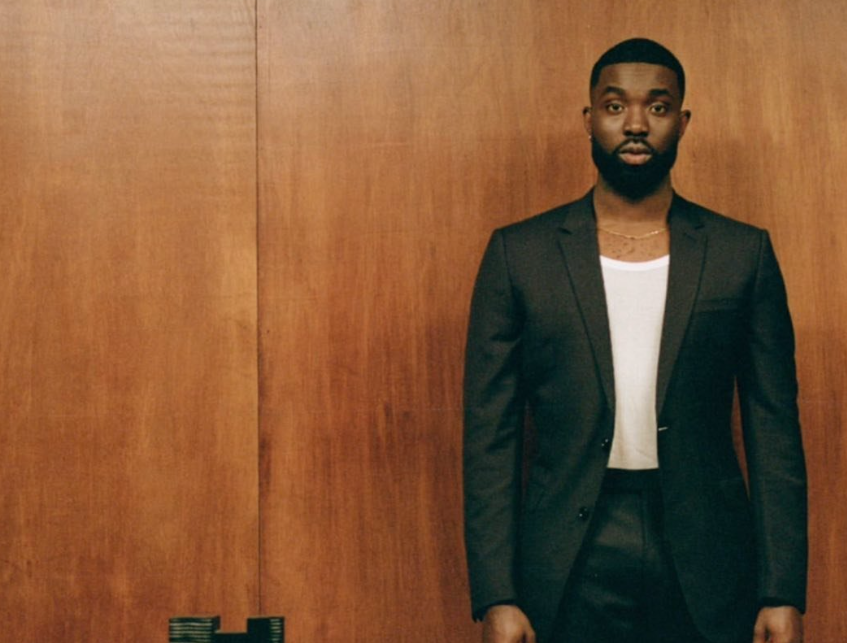
Paapa Kwaakye Essiedu isn’t a random face on the internet, or a guest star plucked out of obscurity. Born in London in 1990, he trained at the Guildhall School of Music and Drama and built a distinguished on-stage career with the Royal Shakespeare Company, including acclaimed turns in Hamlet and King Lear.
On screen, his breakthrough came with the BBC’s I May Destroy You, earning him widespread recognition and accolades, including BAFTA and Emmy nods. He’s also appeared in Gangs of London, The Lazarus Project, Black Mirror: Demon 79, and films like Men and The Outrun.
So this isn’t an actor struggling to make his name; this is someone proven and respected, which makes the vitriol all the more baffling.
Why the Snape Casting Sparked Backlash
When Harry Potter fans first learned HBO would remake the beloved franchise as a multi‑season television universe, casting news was bound to stir debate. But when Essiedu, a Black British actor, was announced as Professor Snape, reactions veered sharply from curiosity to outright hostility.
Some objections were baseless and rooted in racism; others came from die‑hard fans fixated on book accuracy, forgetting, ironically, that the books never explicitly describe Snape’s race.
Snape is beloved, or reviled, because of who he is: a complex, morally fraught, tormented soul whose allegiance and motivations unravel slowly over the course of the story. His skin color is irrelevant to the psychological and narrative architecture that makes him unforgettable.
Yet, a faction of fandom transformed their dissatisfaction into violent threats, telling Essiedu things as chilling as “Quit, or I’ll murder you.”
The Death Threats
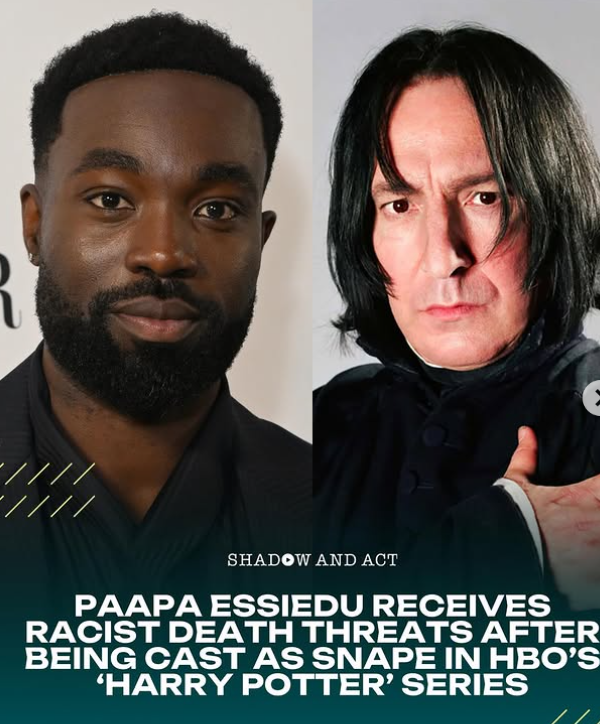
Essiedu has spoken candidly about the emotional toll these threats have taken, affecting not only him but people close to him. The abuse ranges from harassing messages to explicit calls for violence, and he has distanced himself from social media to protect his mental health.
Take a moment with that reality: a grown professional, on the cusp of one of the biggest roles in television history, being told he should be murdered because fans don’t like a casting choice. That’s not critique, that’s intimidation and threat.
And this isn’t isolated; a Times interview highlighted Essiedu’s vulnerability and how this backlash intersects with broader online toxicity and racism.
Why This Backlash Is a Symptom, Not the Disease
Here’s where a lot of analysis stops short: the death threats aren’t just about Snape, or Essiedu, or a changing Hollywood. They’re symptomatic of a deeper anxiety in fandom culture, an identity crisis born of entitlement.
For decades, Harry Potter fans have cultivated ownership over a story that already exists in the public imagination. When the original films cast Alan Rickman, a white British actor, as Snape, few questioned his race because his performance worked.
But today’s backlash reveals something uncomfortable: for some, any change to the nostalgic formula feels like a violation of their emotional connection rather than an invitation to reimagine it.
Let’s be clear: not all criticism is racist. Fans can debate casting choices on artistic grounds, but threats that cross over into something deeply harmful are where holding fans accountable is crucial.
Essiedu’s Response
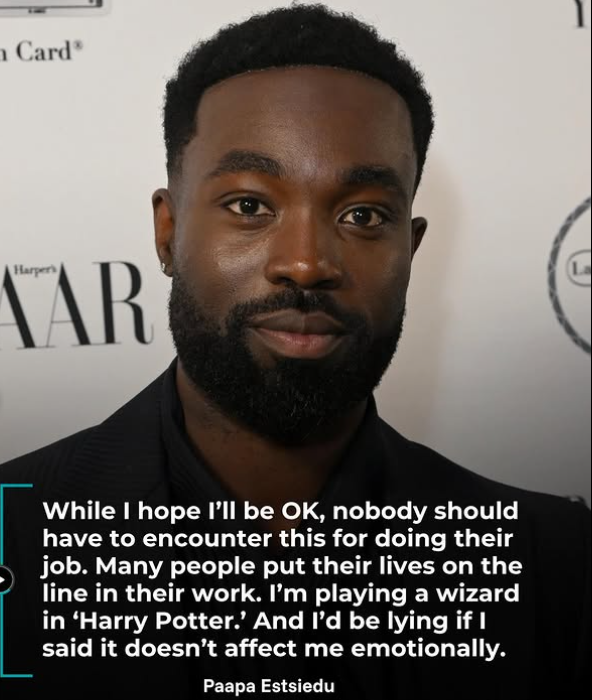
Instead of caving, Essiedu has doubled down on his commitment to the character and what the role represents, not just for Harry Potter, but for young Black viewers who never saw themselves reflected in Hogwarts’ walls.
That’s not bravado; that’s intentional agency. For a character defined by contradictions, stuck between love and bitterness, loyalty and vengeance, Essiedu’s casting could bring new layers of depth. This feels especially poignant given how many actors of color have to fight stereotypes or peripheral roles.
Seeing someone with Essiedu’s gravitas tackle Snape might reframe what audiences expect from characters who defy easy categorization. And that’s a radical thought: representation isn’t about copying the past, it’s about expanding what stories can be.
What This Means for Hollywood and Fandom

Hollywood has been shifting toward inclusive casting for years. This isn’t “cancel culture” or diversity for diversity’s sake… It’s storytellers acknowledging that brilliance transcends skin color. Paapa Essiedu was chosen not because of a checklist, but because his résumé, Shakespeare, television drama, and stage mastery suggest he can embody Snape’s soul.
And yet, this moment reveals something worrisome: fandom entitlement is now so fierce that it can escalate from keyboard griping to actual threats of violence. That’s not passion, that’s toxicity.
If powerful studios and creators don’t firmly condemn this behavior, they risk normalizing it. And that’s a dangerous precedent, not just for actors but for the future of storytelling itself.
A Role Worth the Fight

In a way, this controversy reflects the essence of Snape himself: misunderstood, judged at face value, underestimated in his complexity. And much like Snape’s own journey from villain to tragic hero, we’re watching a larger cultural moment play out: Can audiences let go of old expectations and embrace a richer narrative?
Essiedu’s casting shouldn’t be a wedge issue; it should be an invitation to explore what makes characters timeless: depth, conflict, and emotional truth.
In the end, Snape wasn’t defined by his appearance. What made him unforgettable was the layers beneath the surface… and that’s the kind of challenge Essiedu is stepping into with courage, nuance, and integrity.