

Looking for some tips to get you started in Nioh 3? Koei Tecmo’s latest Nioh is their biggest adventure yet, featuring an expansive open world across multiple time periods that will see you facing dangerous yokai in the Warring States period, Japanese Antiquity, and beyond.
This is a big, bold experience full of combat systems to master, weapons to learn, and intricate secrets to discover. In many ways, it’s probably the largest Soulslike to come along since Elden Ring, and that might be intimidating for some, particularly if you’ve never played any of the other Nioh titles.
In this guide, we’ll present 8 handy tips and tricks for beginners in Nioh 3 so that you can ease into your journey and step on the road to martial mastery a little bit faster.
Watch on YouTube
1. Pick a few key weapons and learn them
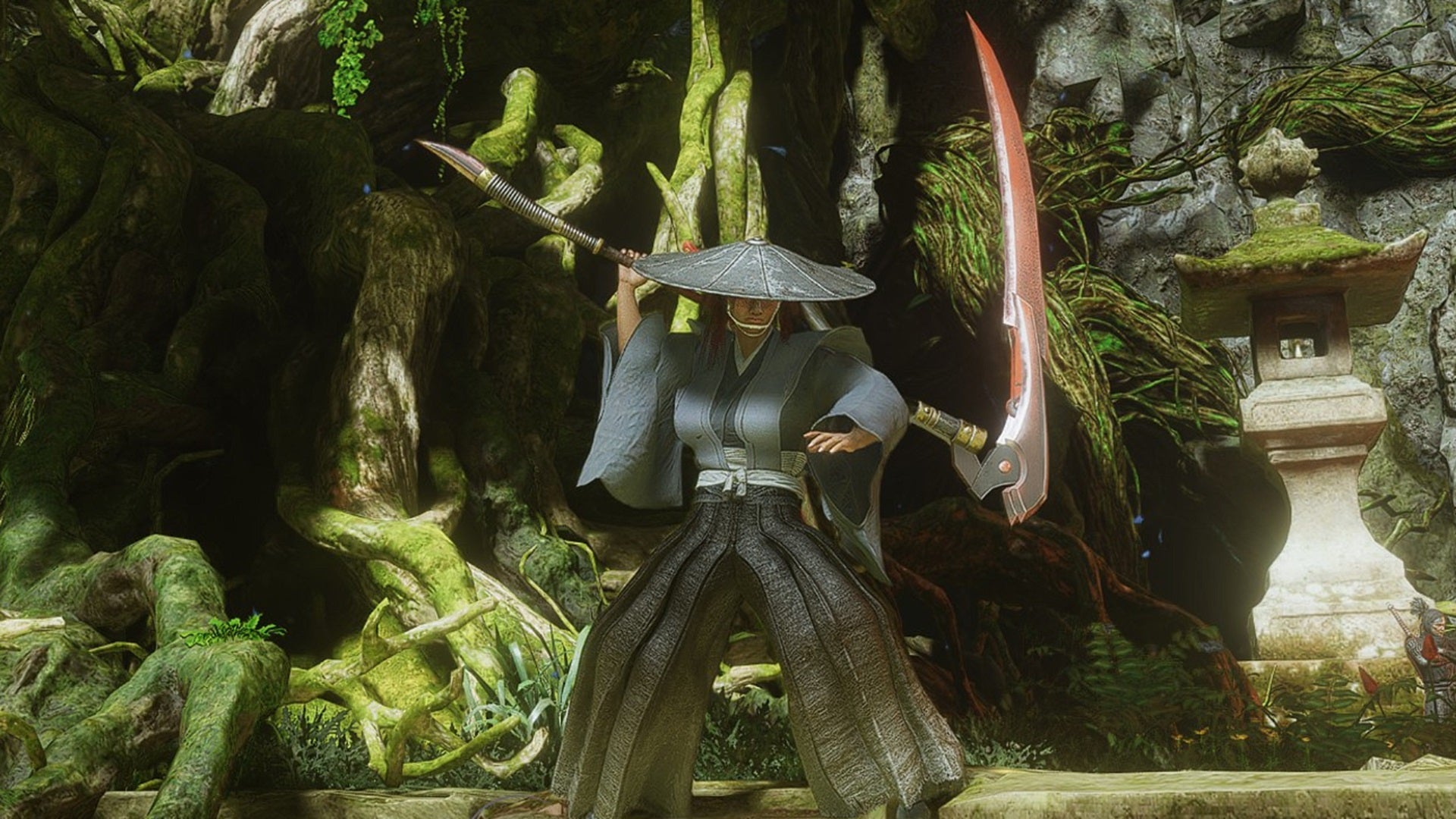
There are 14 weapon types in Nioh 3, with seven for the Samurai and seven for the Ninja. Most of these types will be familiar to returning players, but many are now gated to the Ninja playstyle and require relearning, which will be a test of how well veterans can adapt to new moves and the lack of Stances.
For everyone else, refer to our best weapons tier list, and then pick two to four weapons at most and practise those. I’m currently running with the Axe and Cestus for my Samurai form and the Talons and Tonfa for my Ninja. Each weapon has a prodigious skill tree, dubbed Martial Arts for the Samurai and Ninjutsu for the Ninja. Experiment and find what abilities feel most intuitive for you, and know that respeccing is free if you don’t like the way your sword handles.
2. Deflect and Evade until it’s second nature

You can’t parry during the Nioh 3 tutorial, and in fact you need to unlock parry via the Samurai Martial Arts skill tree. It’s called Deflect, and it will be a vital companion during your travels as you time your strikes to bash against the oncoming attacks of enemies with expert precision. Soulslike players know what the deal is – persistence and lots of trial and error is the key.
If you’re the type who prefers dodging, grab the Evade ability from the Ninja’s Ninjutsu tree. This moves the Ninja behind an enemy and lets them get a backstab, which is always excellent damage. It’s also worth searching the Ninjutsu skill trees of certain Ninja weapons to see if they have own version of a more straightforward parry, such as the Talons skill Impenetrability.
3. Work on perfecting Samurai and Ninja playstyles

There’s a sharp difference between playing as a Samurai and a Ninja in this game. Samurai are all about deliberate strikes, and are best suited for tanking a boss or maximising damage output. You’ll also need to practise Ki Pulse, which is a technique that requires tapping the right button immediately after you attack to refresh your stamina. It’s a rhythmic affair, but eventually you’ll get the hang of it.
Samurai also have three Stances. High Stance is great for powerhouse attacks that use lots of Ki, Mid Stance is moderate damage that conserves Ki, and Low Stance is good for poking attacks that hurt the enemy less but save the most Ki. You’ll need to unlock all of these Stances on the Samurai Martial Arts tree to make the most of your warrior, and it takes time to learn which Stance is best. I tend to stick to Low Stance when I’m cautious against a boss, swapping into High Stance for big charged hits.
In contrast to Samurai, Ninja are easier to learn at first, and are all about hit and run tactics, using Mist and Evade to dart behind an enemy for a backstab, and tossing tonnes of projectiles and Ninjutsu magics from afar. However, Ninjas are awfully squishy, and when it comes to certain bosses, these easier-but-weaker tactics won’t always do the trick.
4. Raise your Exploration Level

It’s a big open world out there, but thankfully Nioh 3 doesn’t overwhelm you with dozens of map markers and quests from the get-go. Instead, there’s a gradual rollout of Myths (the term for sidequests) and icons as you naturally navigate an area, which ups its Exploration Level. So when you first start playing, don’t feel like you need to cross a million things off of your to-do checklist. Simply wander an area naturally, and that Exploration Level will slowly go up and give you more assignments bit-by-bit.
Additionally, it’s worth hunting down lost Kodama, chasing fat Scampusses, and shooting floating Chijiko out of the sky as you explore a map. These friendly yokai are not only adorable, but locating them raises your Exploration Level, gives you options for buffs at save shrines, and also rewards you with Samurai/Ninja Locks, which are a currency used for unlocking new Martial Arts and Ninjutsu. On that note, it’s also worthwhile to look for Jizo statues (small stone figures that resemble squat children) in the wilderness, as these will offer additional buffs.
5. Return to old areas with Guardian Spirits

Nioh 3’s maps are designed for backtracking, and the most notable example of this at the start of the game is a cliff wall with a Crucible Wraith atop it. This foe is not accessible until you come back with the correct Guardian Spirit – in this case, Kurama Tengu, who you’ll acquire later. (We’ve got a guide on exactly how to get the Tenryu River Crucible Wraith if you’re so inclined.)
Guardian Spirits are the glowing animals that accompany major characters in Nioh lore. Your protagonist starts with Kusanagi, a friendly dog-like Guardian Spirit (who conveniently transforms into a deadly blade for assassinations), and you’ll gather more as you progress through the campaign. Each Guardian Spirit has a unique traversal ability that you’ll use to navigate Spirit Veins, which are environmental obstacles such as the cliff wall described above.
6. Grab Soul Cores for potent Onmyo magic

Guardian Spirits are kind of like Pokémon if you think about it, but there’s another “gotta catch ’em all” aspect of Nioh 3 – Soul Cores. These return from Nioh 2, and they’re basically fragments of a monster’s essence. You’ll naturally pick up Soul Cores as you beat bosses and other enemies, and once you’ve got them you can customise your Onmyo Box by selecting the “Manage Soul Cores” option at a save shrine.
The Onmyo Box is confusing at first, but all you need to remember is that it has two positions: Yang and Yin. Any Soul Cores put in the Yang position will grant you items that work offensively in combat. For example, the Jailer Oni Soul Core, when put in the Yang position, summons the oni to attack enemies. When put in the Yin position, Soul Cores give you items that provide buffs and are usually defensive or passive. For instance, that same Jailer Oni Soul Core will give you Firestop Talismans in the Yin position, which raise your fire resistance.
7. Defeat Revenants for good loot

Revenants are the spirits of other players (or NPCs if you’re not playing Nioh 3 online) that can be summoned from Bloody Graves, which are those large red markers sticking out of the earth. If you’ve played Elden Ring and have dealt with invaders, or fought the Inner Demon in Wuchang: Fallen Feathers, you know the deal. It’s worth picking a fight with Revenants, because their loot drops are pretty swell, and beating them up is also a fine way to farm Ochoko Cups.
Ochoko Cups are a resource that you’ll turn in to summon Acolytes, who are reverse-Revenants. Acolytes emerge from Benevolent Graves (the blue markers in the ground) and are a good asset to bring with you to a tricky fight. Even if they go down, they’ll help hold aggro and distract a boss long enough for you to chuck an array of Ninja projectiles.
8. Don’t worry about forging new gear at first

Once you unlock the Eternal Rift in Nioh 3, a hub world that houses some friendly NPCs (as well as a spot where you can transmog your gear and change your appearance via character creation codes), you’ll also have access to a Blacksmith. She’s a good way to disassemble and forge new gear, and certain weapons, like the Cestus, are more easily obtained via the Blacksmith, as their drops seem very rare.
All that said, you don’t need to fuss with forging fancy gear on your first playthrough. Nioh oldies know that this stuff is best saved for New Game +, as you’ll get so much loot during a regular run through the game. Simply equip the weapons that are appropriate for your chosen playstyle, slap the equipment with the highest numbers on yourself, and save the tinkering until the endgame. Any gear that you don’t want can be exchanged at a save shrine for additional Amrita, the currency used to level up. We’ve got a guide on how to farm Amrita which has more tips.
That finishes our selection of beginner’s tips for Nioh 3! For additional advice, check out our guides on how to use Titles to get Prestige, how to emote and use gestures, and how to beat the deadly Bloodedge Demon. And while you’re at it, why not read our glowing review of Nioh 3?