

The atmosphere at the Happiest Place on Earth faced a serious reality check on Tuesday, March 10, 2026, when a hazardous materials response was triggered by a mysterious odor in a backstage area near the iconic “Star Tours” attraction. While the park remained largely operational for tourists, the incident left several Disneyland cast members suffering from lightheadedness and respiratory distress, with at least eight employees requiring immediate transport to local hospitals according to E! News.
This sudden medical emergency highlights a growing conversation regarding the safety of the invisible workforce that maintains the fantasy, as the source of the chemical reaction was linked to building materials used by an outside contractor rather than a guest-facing ride.
The emergency began at approximately 12:30 p.m. local time and serves as a reminder that, even in a highly controlled environment like Tomorrowland, the industrial side of the operation can pose unexpected risks to those behind the scenes.
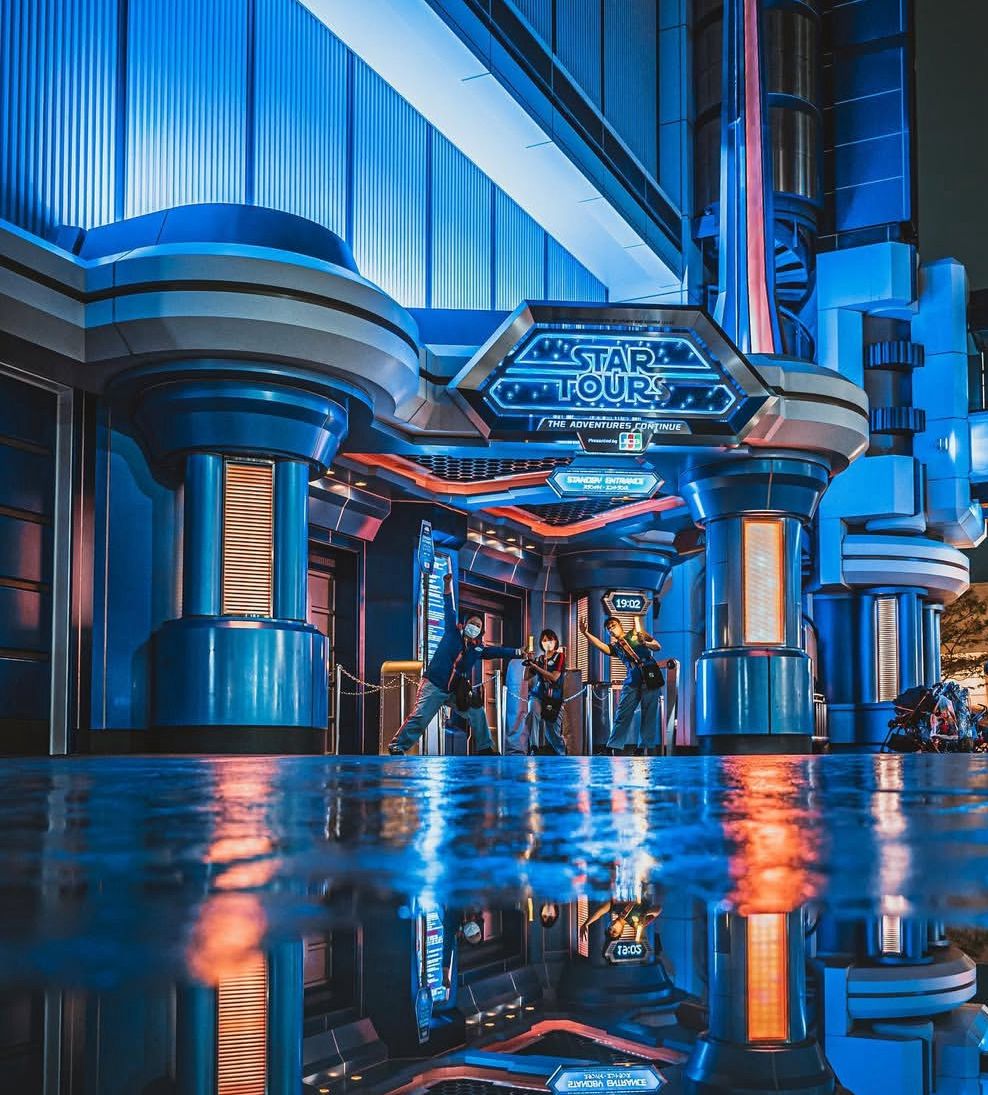
Emergency services including the Anaheim Fire Department and specialized hazmat teams, were dispatched to the Anaheim park after reports surfaced of an unknown odor wafting through the restricted zones of Tomorrowland. While the park is famous for its immersive storytelling and meticulously maintained facade, the response teams quickly identified a more grounded cause for the air quality issue.
The official statement from Disneyland confirmed that building materials being used by a contractor produced a reaction backstage, and the area was examined by appropriate response teams. This acknowledgment from the company clarified that the incident was not a malfunction of any existing ride infrastructure but a direct result of ongoing maintenance or construction work being handled by third-party vendors.
The situation prompted a brief clearing of adjacent guest areas, in an “abundance of caution,” as a spokesperson put it, though the primary victims of the exposure remained the employees working in the immediate vicinity of the Star Tours backstage zone.
The Invisible Wall Between Cast and Guest

The incident underscores a significant divergence between the guest experience and the reality of theme park labor. For the thousands of tourists wandering through Tomorrowland, the afternoon was marked by a temporary, minor clearing of specific walkways, which officials expected to reopen soon thereafter.
However, for the cast members on the other side of the partitions, the situation was far more serious. Reports from various outlets, including People and Independent, indicate that seven or eight workers were taken to the hospital with minor injuries or symptoms ranging from dizziness to shortness of breath.
It is a moment where the literal and figurative walls of the park become visible, showing how a medical emergency can unfold for the workforce while the business of entertainment continues almost entirely as usual for the paying customers just a few yards away.

Authorities from the Anaheim Police and fire departments described the issue as an “unknown odor”, a term that often triggers a high level of concern in high-density public spaces. Paramedics treated several additional cast members on site who were later released, but the fluctuating casualty count in the media highlights the difficulty of managing a crisis narrative in real time.
Initial reports from Fox Business cited five hospitalizations, while later updates from Entertainment Weekly and other sources pushed that number to eight. This climb in statistics over a single afternoon suggests an evolving scene in which the severity of exposure was being assessed as more workers reported feeling unwell.
Despite the high number of first responders and hospital transports, the official framing of the event consistently labeled the injuries as “minor.” This choice of language maintains the reputation for safety while acknowledging that a legitimate hazmat event occurred.
The Contractor Accountability Gap
The shift in focus from internal operations to the role of outside contractors raises questions about the oversight of third-party vendors in such a sensitive environment. According to multiple reports, the reaction was specifically tied to materials brought in by an external team, yet the identity of the contractor and the specific chemicals involved remain undisclosed.
This lack of transparency about the substances that led to a hazmat deployment is a notable gap in the current public record. Industry standards usually require strict communication regarding hazardous materials, especially in spaces where employees are frequently stationed.
The fact that building materials can react in a way that sends nearly a dozen people to medical facilities suggests a potential area for investigation into material-handling or chemical-compatibility protocols. Without knowing the exact nature of the fumes, it is difficult for the public or the staff to gauge the long-term implications of the exposure.

The event timeline shows that Disney moved quickly to contain the narrative and the physical site. After the initial emergency call, the hazmat teams identified the source and gave the all-clear for guest areas relatively quickly.
However, the lack of follow-up information on the health status of the hospitalized employees, as well as any potential investigation by state occupational safety offices, leaves the story feeling unfinished. While the park is no stranger to medical emergencies, this specific incident is unique because it involves industrial workplace hazards rather than ride mechanics.
The focus now shifts to whether the resort will alter its internal safety protocols regarding how and when contractors can use reactive materials during park operating hours. For now, the incident remains a localized but significant disruption that pitted the efficiency of park maintenance against the well-being of the staff.
Looking Beyond the Magic

As the dust settles in Tomorrowland, the broader implications for the theme park industry are clear. This event serves as a case study in the complexities of managing a 24-hour infrastructure project within a space that never truly sleeps.
The reliance on outside contractors for specialized construction is a necessity for a resort of this scale, but it introduces variables that can bypass even the most rigorous corporate safety standards. The cultural interest in the backstage realities of these parks suggests that the public is becoming more aware of the labor required to sustain the illusion of entertainment.
Moving forward, the pressure for transparency regarding workplace safety and vendor accountability will likely increase as fans and employees alike look for assurance that the environment is safe for everyone. This incident serves as a reminder that the most significant risks in a park often have nothing to do with the thrills of the rides and everything to do with the chemistry of the world behind the curtain.