

Summary
- Control Resonant evolves the original Control’s 3rd-person shooting combat into an intense melee action-RPG.
- Creative Director Mikael Kasurinin and Lead Gameplay Designer Sergey Mohov gave an overview of the sequel’s elaborate combat and customization systems, encouraging build experimentation and multiple playthroughs.
- Control Resonant arrives on Xbox Series X|S later this year.
The Oldest House leaking into New York is all I needed to hear to be excited about Control Resonant, Remedy Entertainment’s long-anticipated follow-up to their excellent 2019 paranormal action-adventure, Control. As they recently showed us with Alan Wake 2, the folks at Remedy are not afraid to take big swings with sequels, and Control Resonant looks no less surprising and delightful than its studio and series pedigree would suggest.
Last week, we got to see virtual presentation from Creative Director Mikael Kasurinin (also the Creative Director of the franchise and Co-Creative Director of Remedy Entertainment) and Lead Gameplay Designer Sergey Mohov, giving live commentary over pre-recorded gameplay video segments. They focused on combat and customization, which is clearly a big point of evolution from Control to Control Resonant.
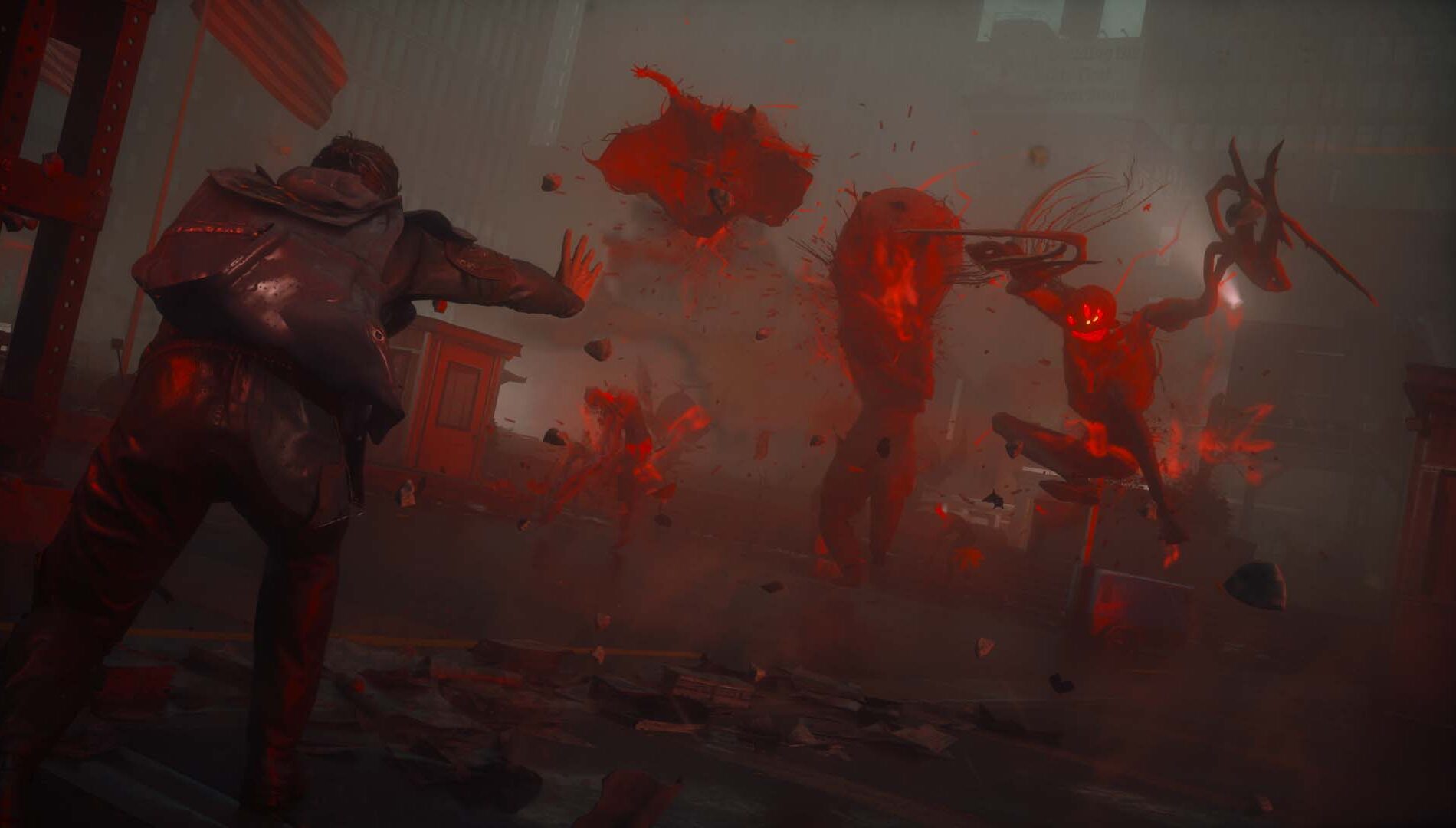
Only in New York
In Control Resonant you play as Dylan Faden, brother of the original Control’s protagonist, Jesse, and a powerful parautilitarian (think “somewhat spooky superhero”) like his sister. In order to curb speculation, Kasurinin and Mohov were clear that Jesse will not be playable in Resonant, though she will be present as a major character.
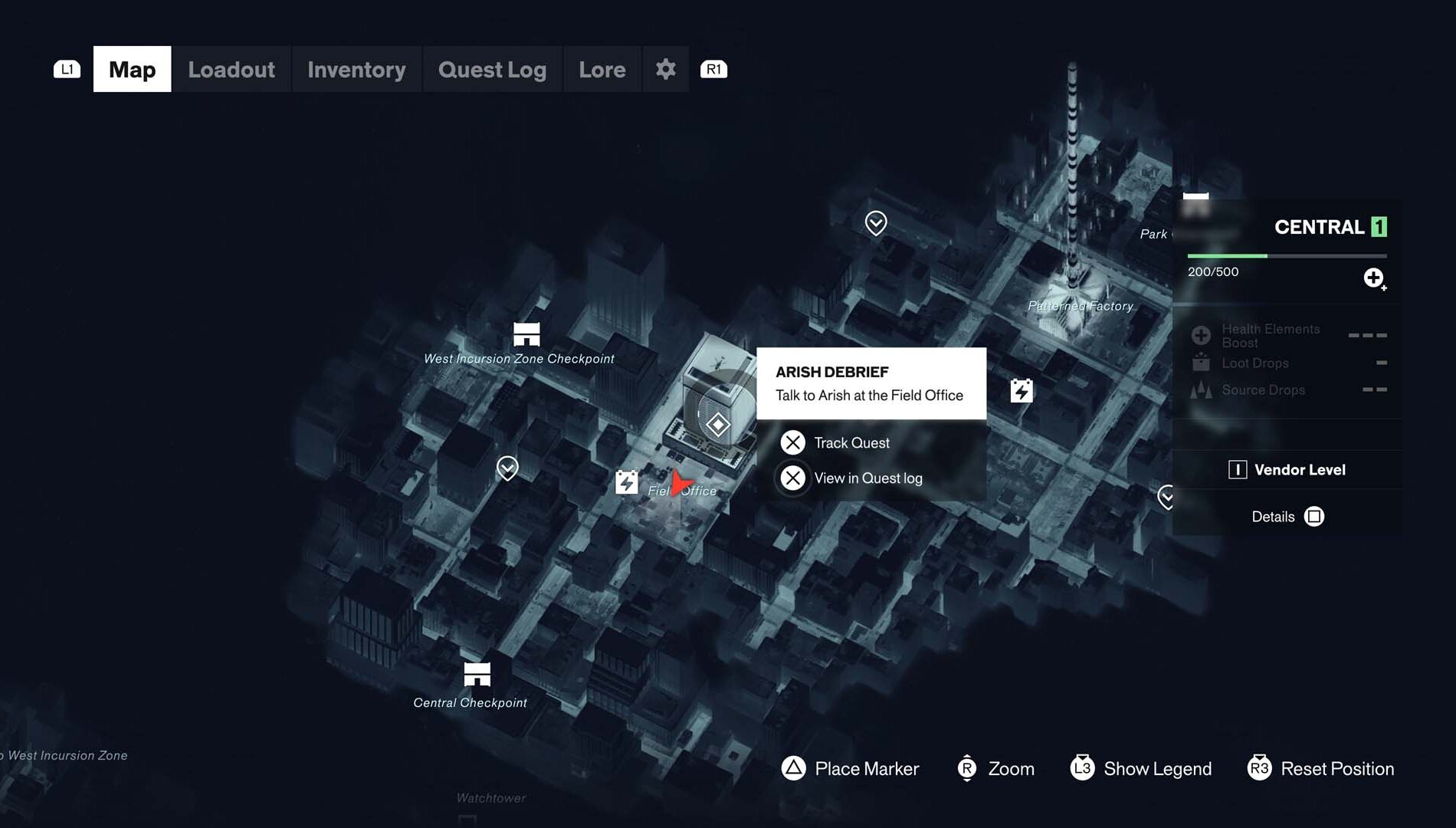
Seven years after the events of the first game, cosmic horror the Hiss has escaped the Oldest House, base of operations for the Federal Bureau of Control (think “The X-Files” if Mulder had funding), and taken over Manhattan, flooding it with monsters and psychedelically warping space and gravity to create a broken, dreamlike world reminiscent of “Inception.” While not a full, seamless open world, the city is divided into major zones that spoke off from a central area where the FBC’s field office is set up, which will serve as your evolving hub throughout the game.
The cosmic forces terrorizing the city have affected each zone very differently, allowing them to have distinct vibes and challenges. Control’s Oldest House was an impeccably surreal brutalist nightmare, but ultimately it was a lot of gray concrete over the run of the whole game. Kasurinin was clear that one of their goals for Resonant was to have much greater visual variety, of which the discrete zones are an obvious manifestation (although we didn’t really get a look at any yet beyond the particularly Incepted area from the reveal and gameplay trailers).
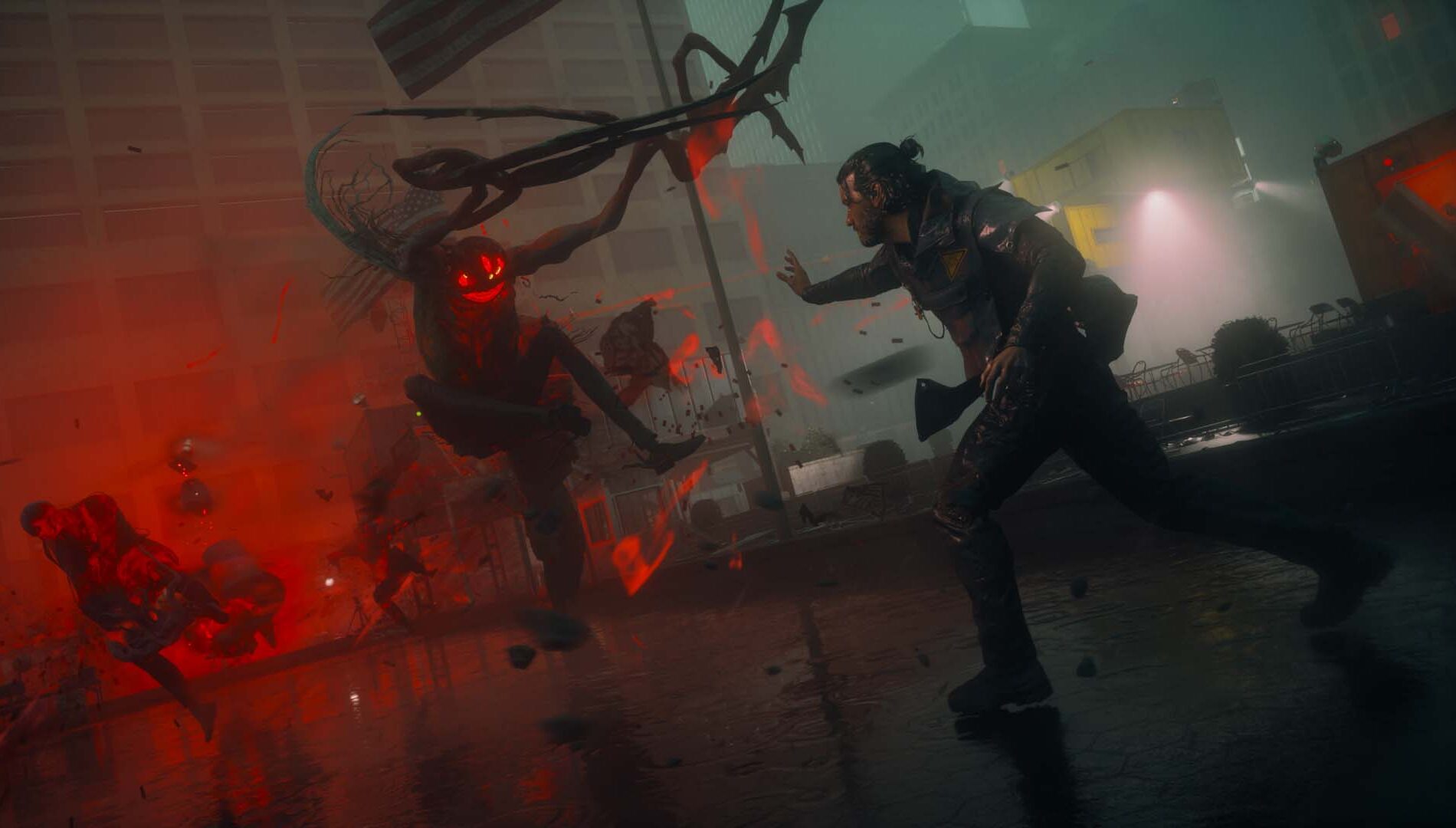
Devil May Control
The biggest difference between Resonant and the first Control is the move from 3rd-person shooter to melee action-RPG. Where Jesse had the Service Weapon, which could morph between various gun forms, Dylan has attuned to the Aberrant, a shape-shifting close-quarters weapon. It’s unclear how many forms there will be in total, but examples we’ve seen include an enormous hammer, short blades, a scythe, and a whip.
The action is fast and furious, reminiscent of the Devil May Cry franchise, or the work of PlatinumGames, air-juggling, combo meter, and all. Like the first game, it’s a system designed to encourage aggression – but it feels even more geared towards getting you into the thick of combat. Melee attacks give Dylan the resource he needs to use his special abilities, which will frequently stun enemies and allow for executions, in turn giving a temporary percentage buff to melee damage, letting you push to higher and higher levels of destruction with skillful play. Also like the first Control, a lot of your attention has to go towards not just attacking and dodging individual enemies, but managing crowds of different threats. Jesse’s ability to do this all at range with guns and telekinesis made it easier to keep the action squarely in front of you, but Dylan is fighting up close and personal, which means threats come in from all angles.
We also got a more extended look at Dylan’s fight against one of the eponymous Resonants, who serve as major story bosses for the game and reward Dylan with powerful abilities. The deft, masked, dual-mallet-wielding figure shown at the end of recently revealed gameplay footage is tentatively named the Dancer (though the developers noted that name is subject to change). Regardless, it’s in good company with memorable bosses like the Cogwork Dancers (Hollow Knight: Silksong) and Dancer of the Boreal Valley (Dark Souls III), where learning to match their graceful rhythms can be an exhilarating duet to master.
As with any action game, how good it will be is all about moment-to-moment game feel in a way that no video can communicate, but Control Resonant’s combat looks far more intense and mechanically crunchy than anything Remedy has done before, and I’m excited to get hands on it.
Theorycrafter’s Delight
Besides the intensity of the combat, another huge and exciting differentiator between Control Resonant and its predecessor is the build variety available. Remedy showed us the same fight against mobs of enemies both with a standard, up-close melee-focused build, and then with a build that focused on using skills to summon various minions and turrets to do crowd control while Dylan swooped around to make targeted executions. It became immediately clear how malleable this system will be, and how much your choices will make a meaningful difference to how you play.
The skill trees in Control allowed you to buff up various parts of Jesse’s kit to your taste, but it didn’t really feel like you were making creative build choices. I loved my time with it, but I was thorough and haven’t felt compelled to go back, in part because by the end it felt like I had seen pretty much everything the combat had to offer.
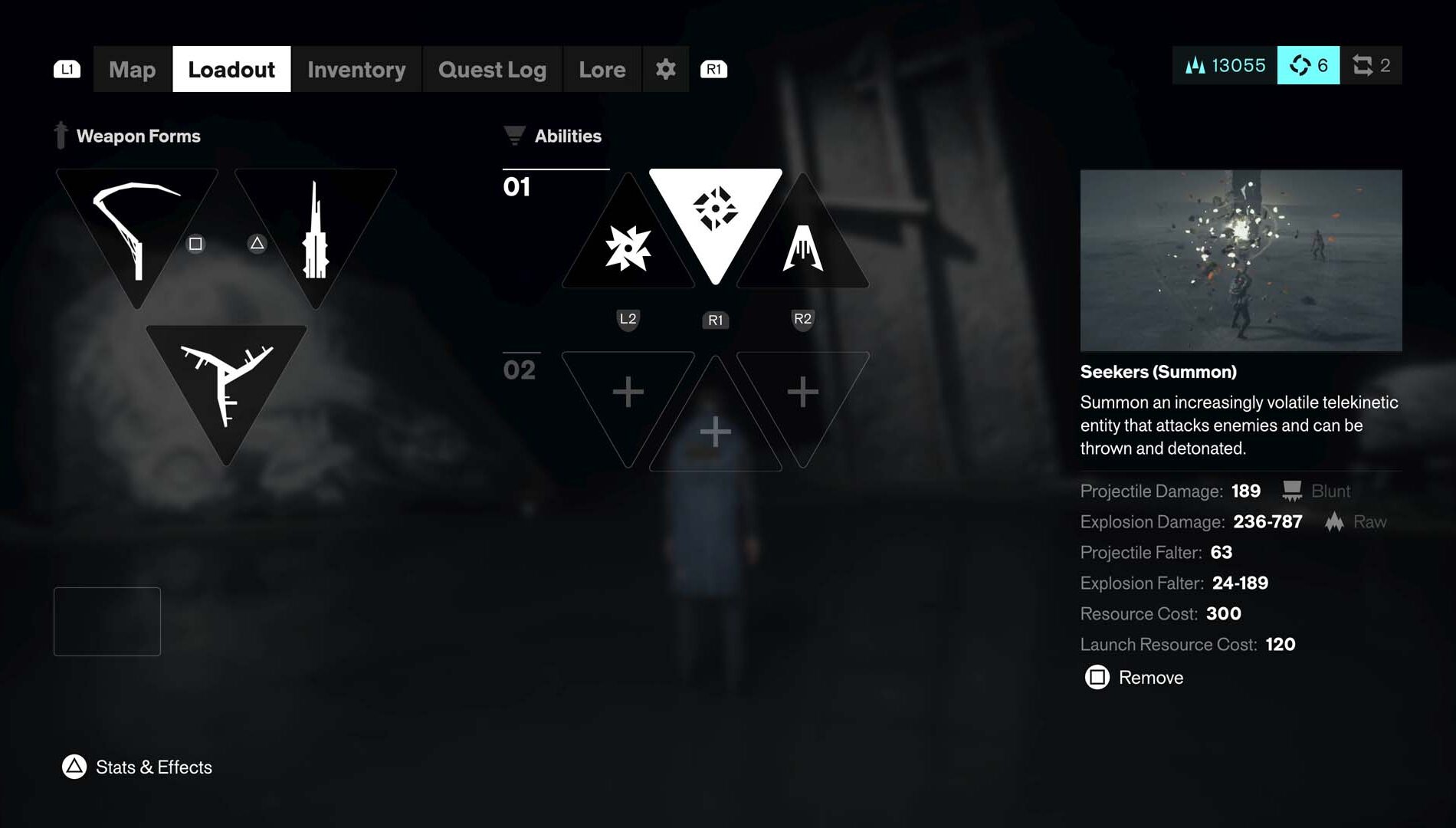
Control Resonant aims to encourage replays with far more in-depth combat systems that allow for radical build variety. When defeating Resonants, they can offer up to three choices for what power to take, which is permanent and exclusive, meaning you won’t be able to see everything in a single playthrough. One example we saw offered a choice between a shield that can also be used offensively to ram into enemies, a turret that can also be thrown as a bomb, or a third option we didn’t get a look at. In action, we also saw Dylan do things like force-push and cause remote explosions—standard cool telepath stuff.
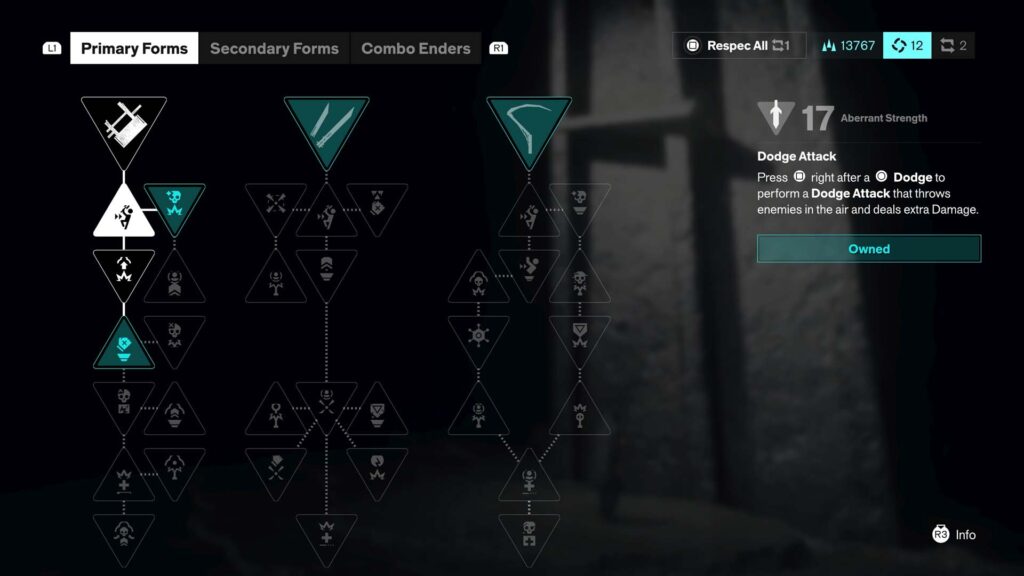
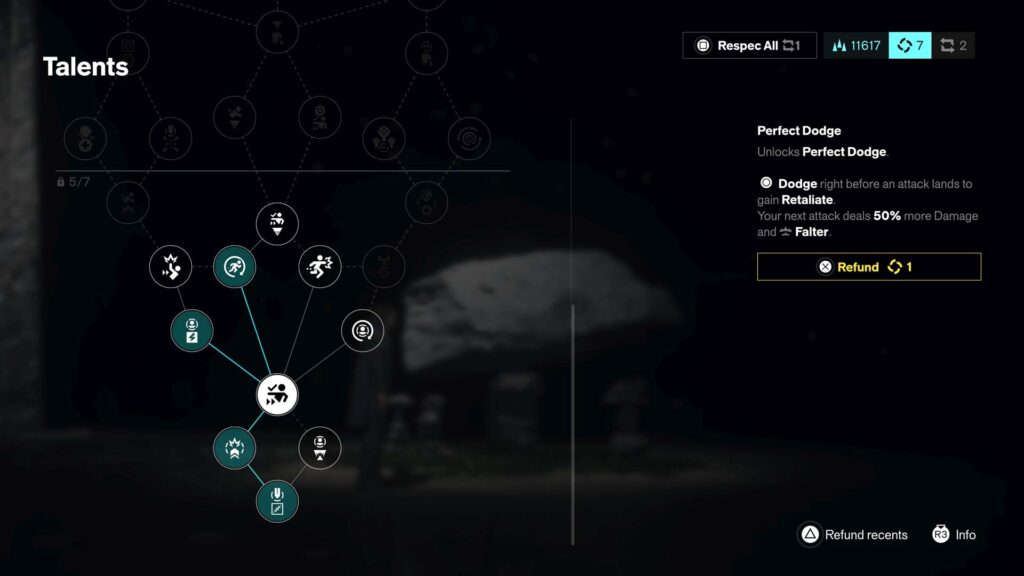
In addition to selecting from a variety of offensive, defensive, and tactical supernatural abilities, Dylan can also customize his weapon, the Aberrant. Rather than committing to a single weapon form’s moves, you set one primary form for basic attacks, a secondary form for special and charged attacks, and a combo ender for special finisher moves after attack chains. Within that, each weapon form offers upgrade trees that unlock alternate, specialized forms and modifier effects for the weapons, allowing further customization.
Then on top of that, there are talent trees for Dylan that unlock a variety of passive modifiers, which also involve exclusive choices that again limit what you can see in a single playthrough. These are built around synergies like various status effects that can be applied to enemies.
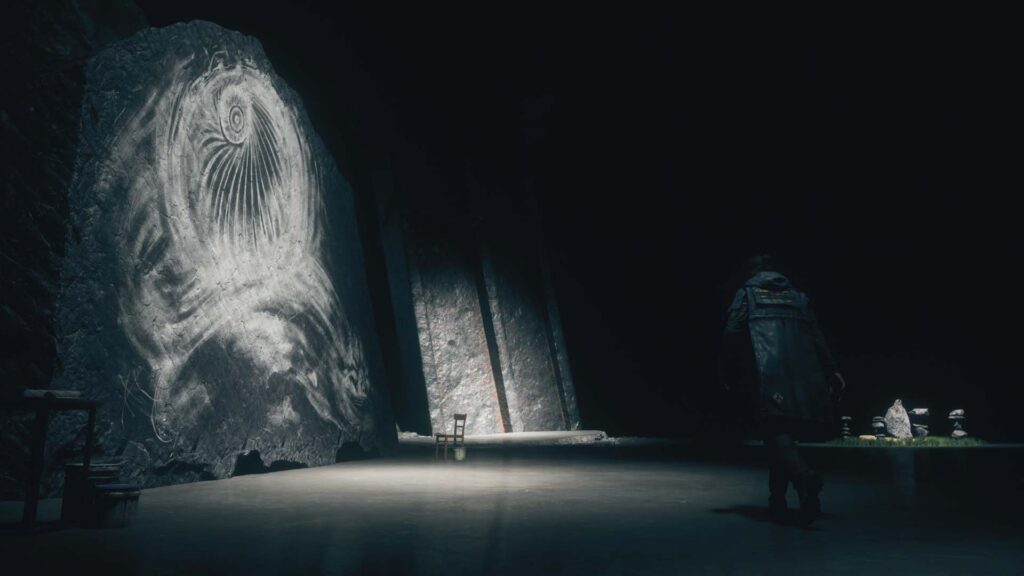
All of these systems run through The Gap, a diegetic mind palace menu space that Dylan can enter at any time out of combat. Here you find not reasonably priced bootcut jeans and sweatshirts, but ominous plinths on which Dylan can manage his various talent and specialization trees and systems.

It’s all a little overwhelming when breathlessly laid out, but it’s no doubt exciting. It seems like Control Resonant’s customization might really scratch that action-RPG itch for richly expressive and open combat systems in which you can really get your hands dirty exploring all sorts of different builds and playstyles – but decoupled from the Skinner box loot grind associated with the kinds of games we’d usually expect this from.
What’s perhaps most impressive is how much it feels like Remedy is getting right on their first try – the team has never made an all-out melee action game before, but it bears all the hallmarks of the greats in the genre. Given that Control spin-off FBC: Firebreak was also Remedy’s first ever multiplayer game, we asked Kasurinen if there’s something about the Control franchise that lets Remedy stretch their development wings. He agreed, saying that “Control is, first and foremost, a world, where a lot of different protagonists can exist within it, and they each have their own way of dealing with things.”
It’s something to be thankful for – Remedy have been one of the most reliable studios in the action space for a very long time, but seeing them apply all that experience to something new for them is a particular treat. I can’t wait to go back and spend more time in Control’s world with Resonant after this tantalizing little taste. While I wholly expected a Control sequel to paint Remedy’s eerie and imaginative vision across a grander scale, which did not disappoint, I did not expect the action-RPG buildcrafting sicko part of my brain to be activated as well.
Control Resonant releases later in 2026 on Xbox Series X|S.
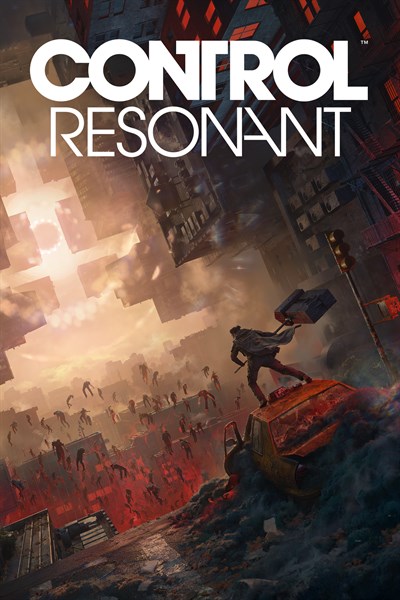
CONTROL Resonant
Remedy Entertainment
After years in confinement at the hands of the Federal Bureau of Control (FBC), Dylan Faden’s former captors are deploying him at the peak of a supernatural crisis.
Charged with combating a mysterious cosmic entity as it alters fundamental aspects of our reality, Dylan must harness his new-found powers to take the fight to the myriad threats overwhelming Manhattan.
Join Dylan in this sequel to the multi-award-winning CONTROL to explore the expansive zones of a city overrun by the corrupting influences of the chaotic Hiss and invasive micro-organism, the Mold, and other twisted paranatural threats.
On the path to unlocking the full potential of his supernatural abilities Dylan will also seek out his sister, FBC Director Jesse Faden, as he bids to comprehend and contain the dangers that have spilled beyond the confines of the Oldest House to tear our world apart.